
MONOPOD BUYING GUIDE
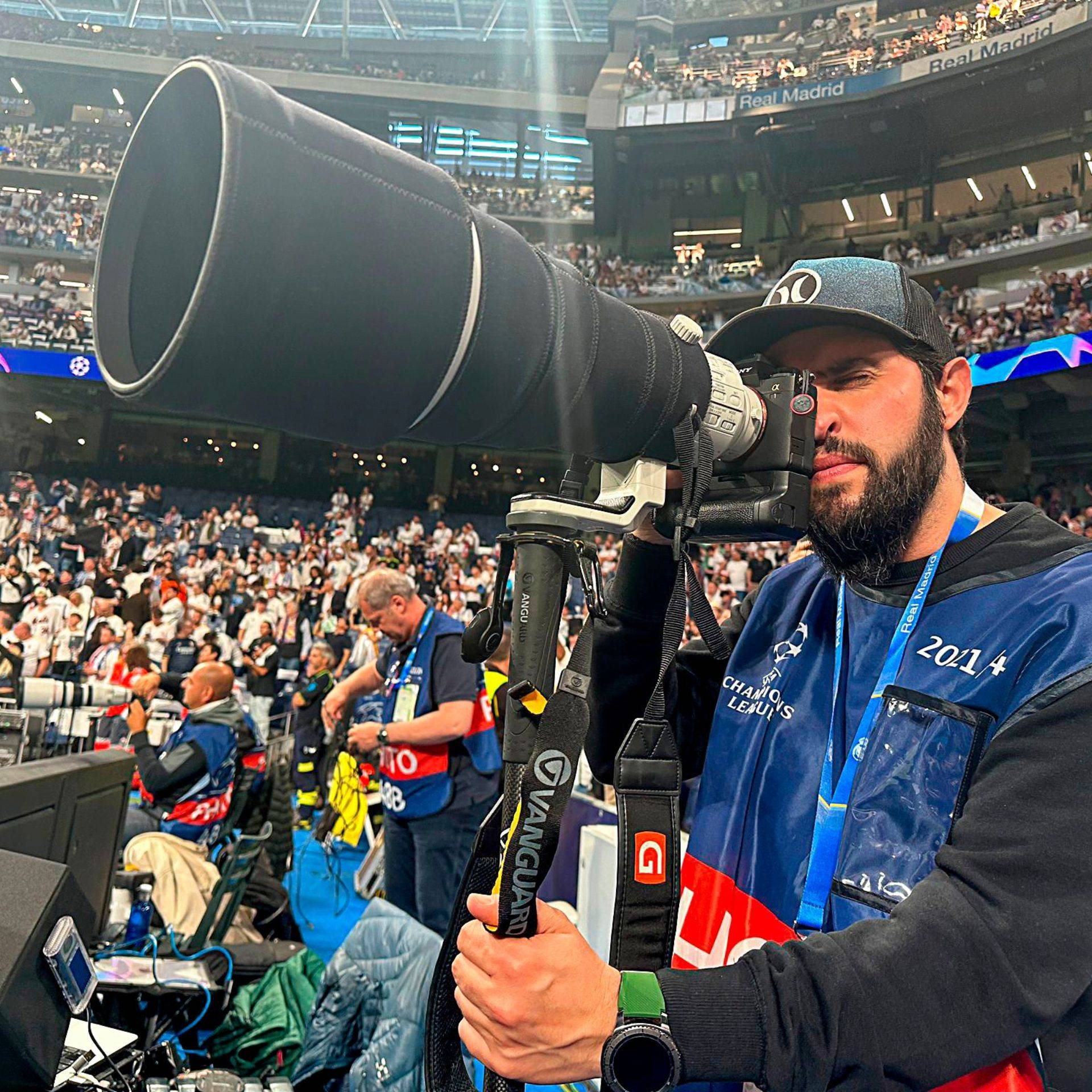
A monopod can be a great tool when space is limited or you need to follow fast moving objects. Here we share the models available from Vanguard.
CHOOSE BY:
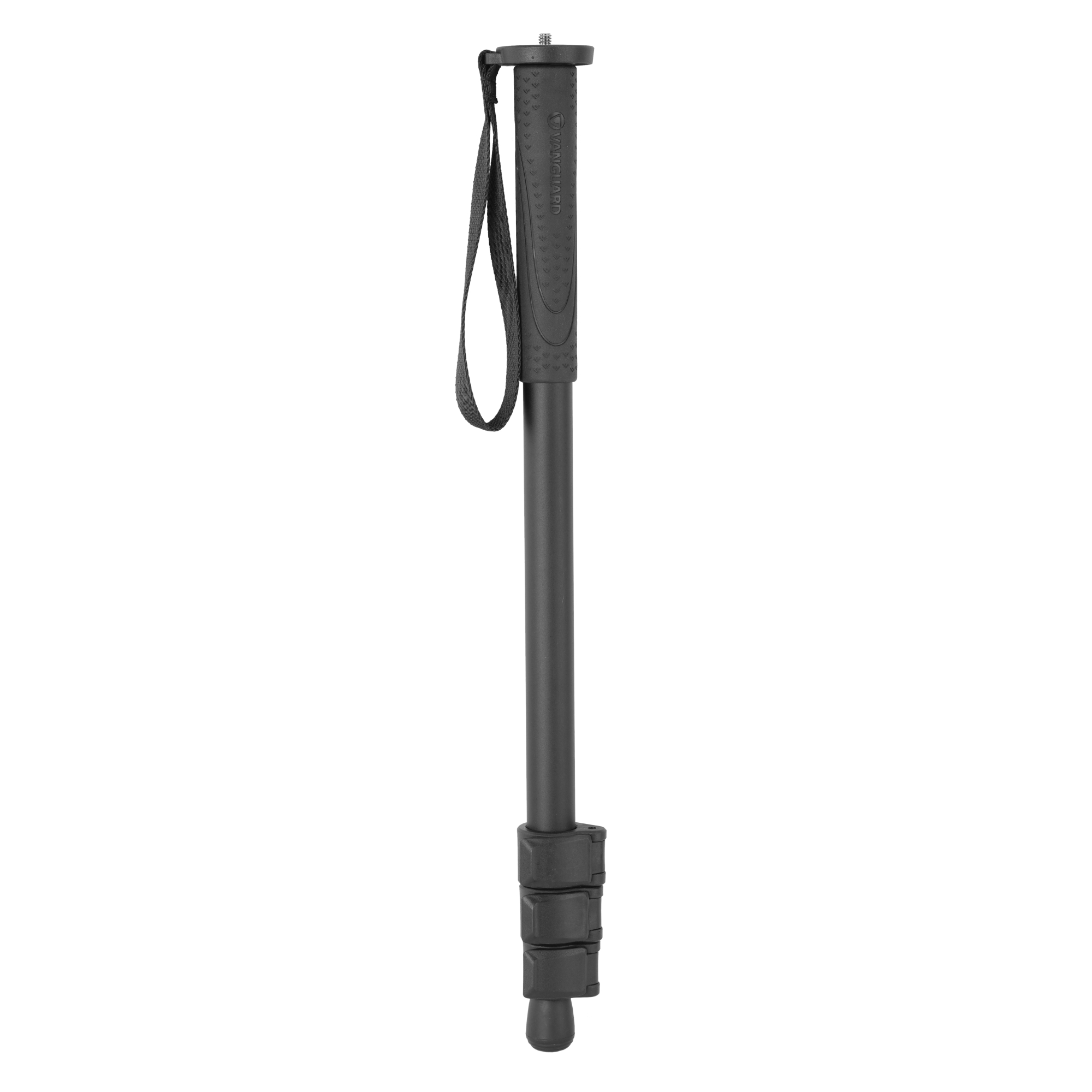
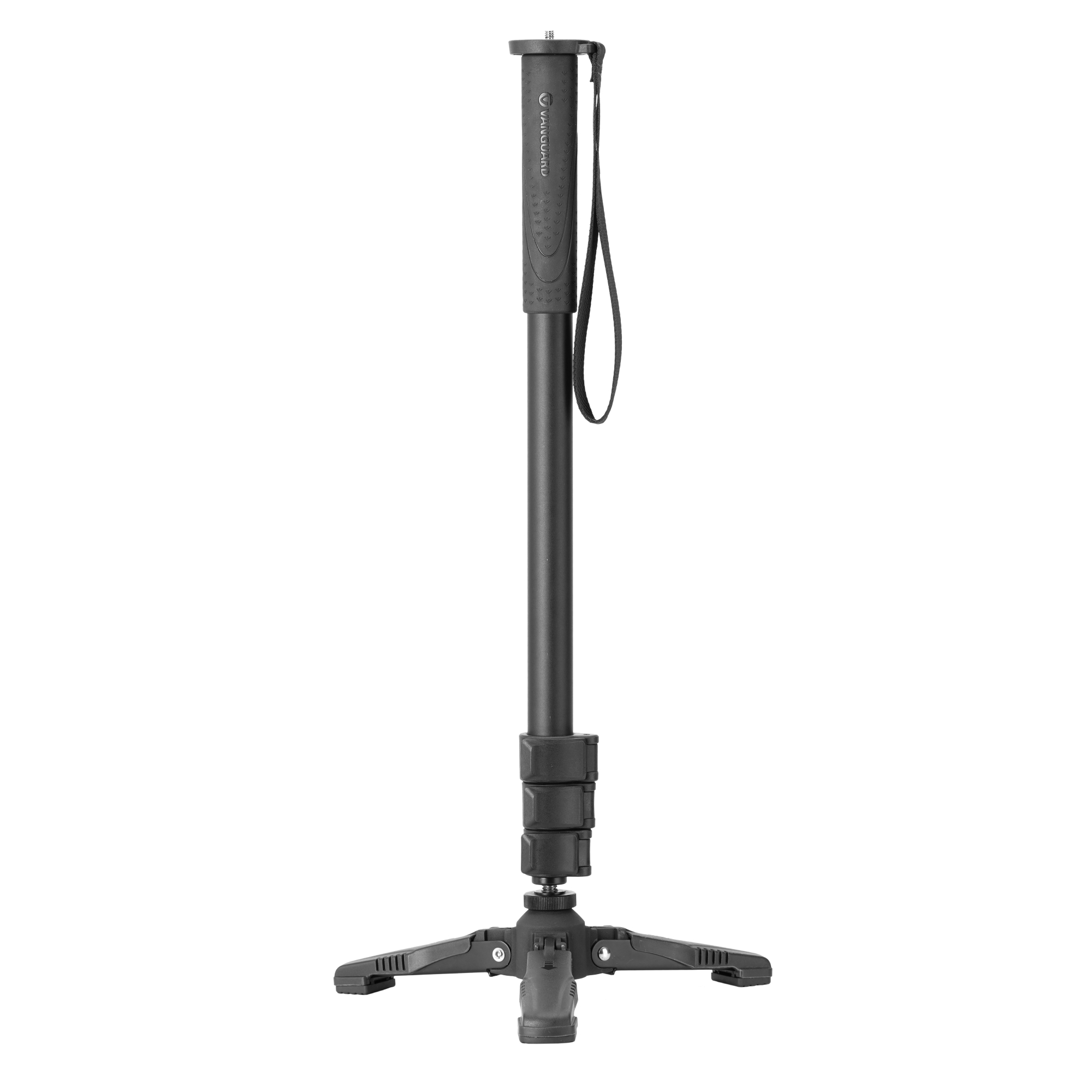
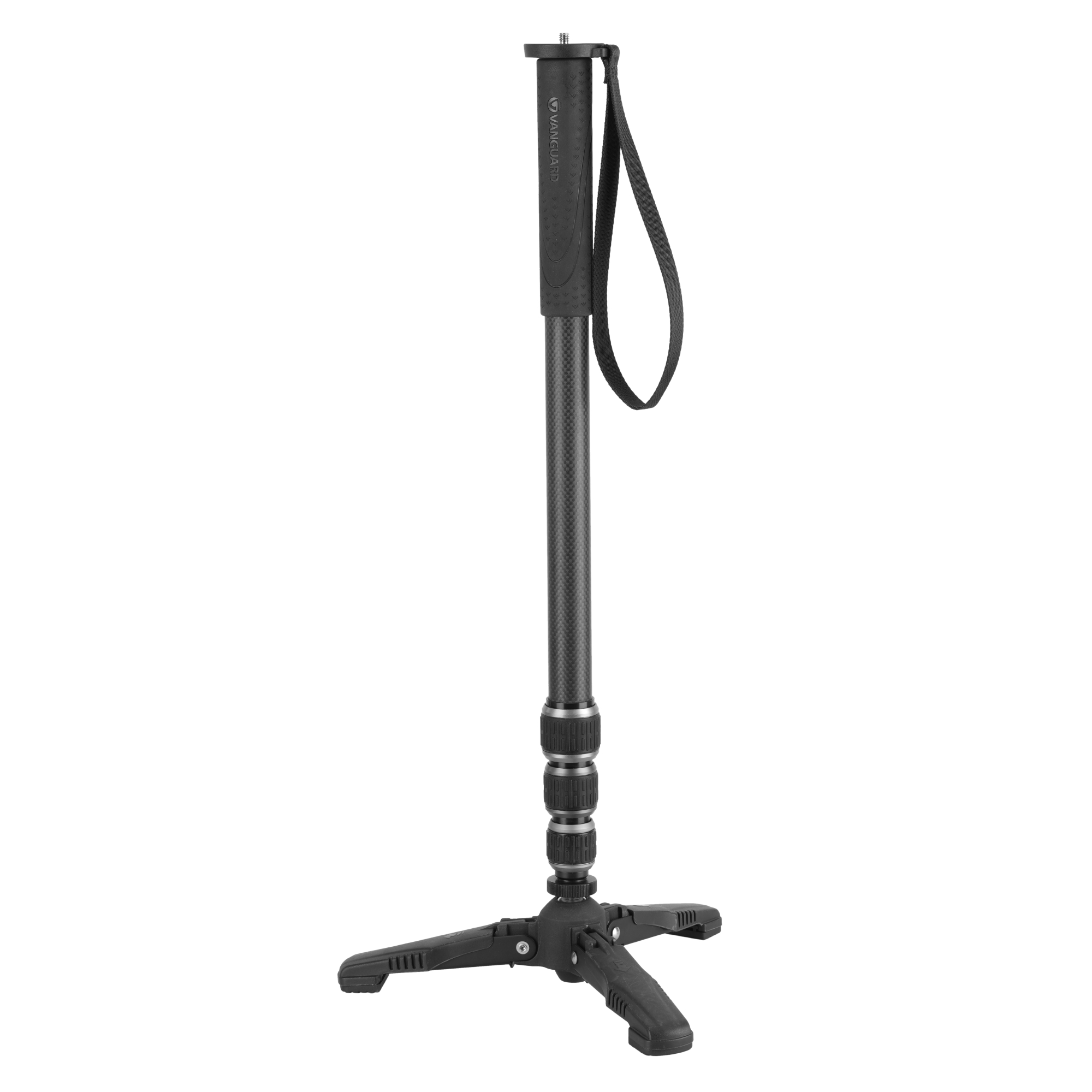
MAXIMUM CONTROL:
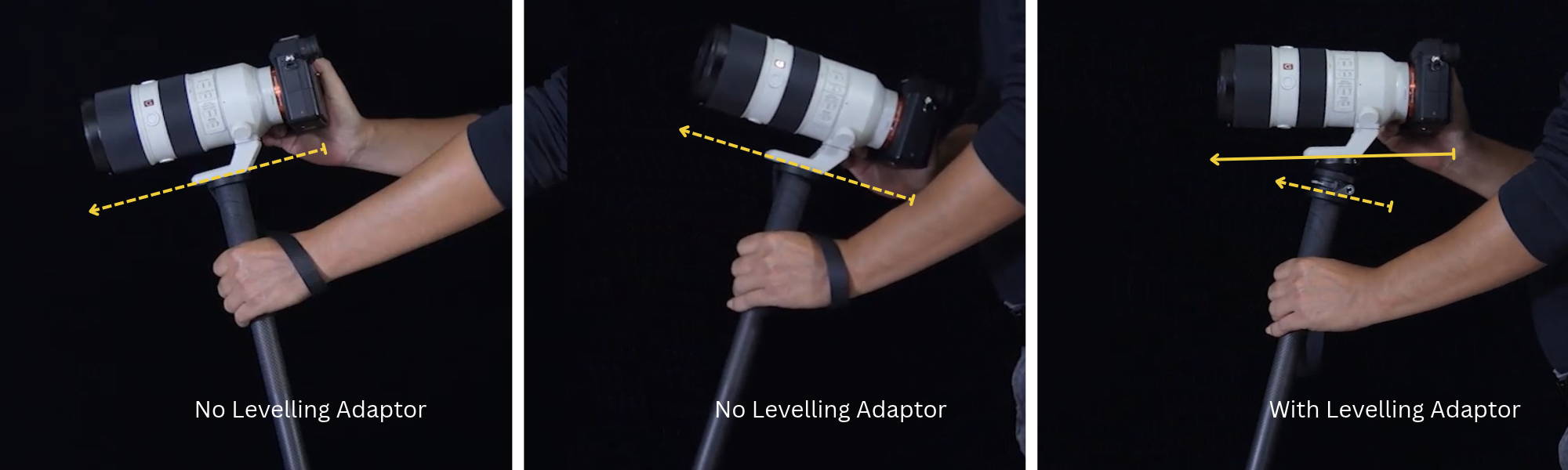
While you can attach a camera directly to the 1/4" thread on top of the monopod, this does limit the control that you have for framing your shot, as the camera will always be pointing in the same angle as the top plate of the monopod. For the best control you may want to consider a head or levelling adaptor.
To choose the right head or levelling adaptor, simply measure the top plate of your monopod and choose the head or levelling adaptor with base diameter that offers the best fit.
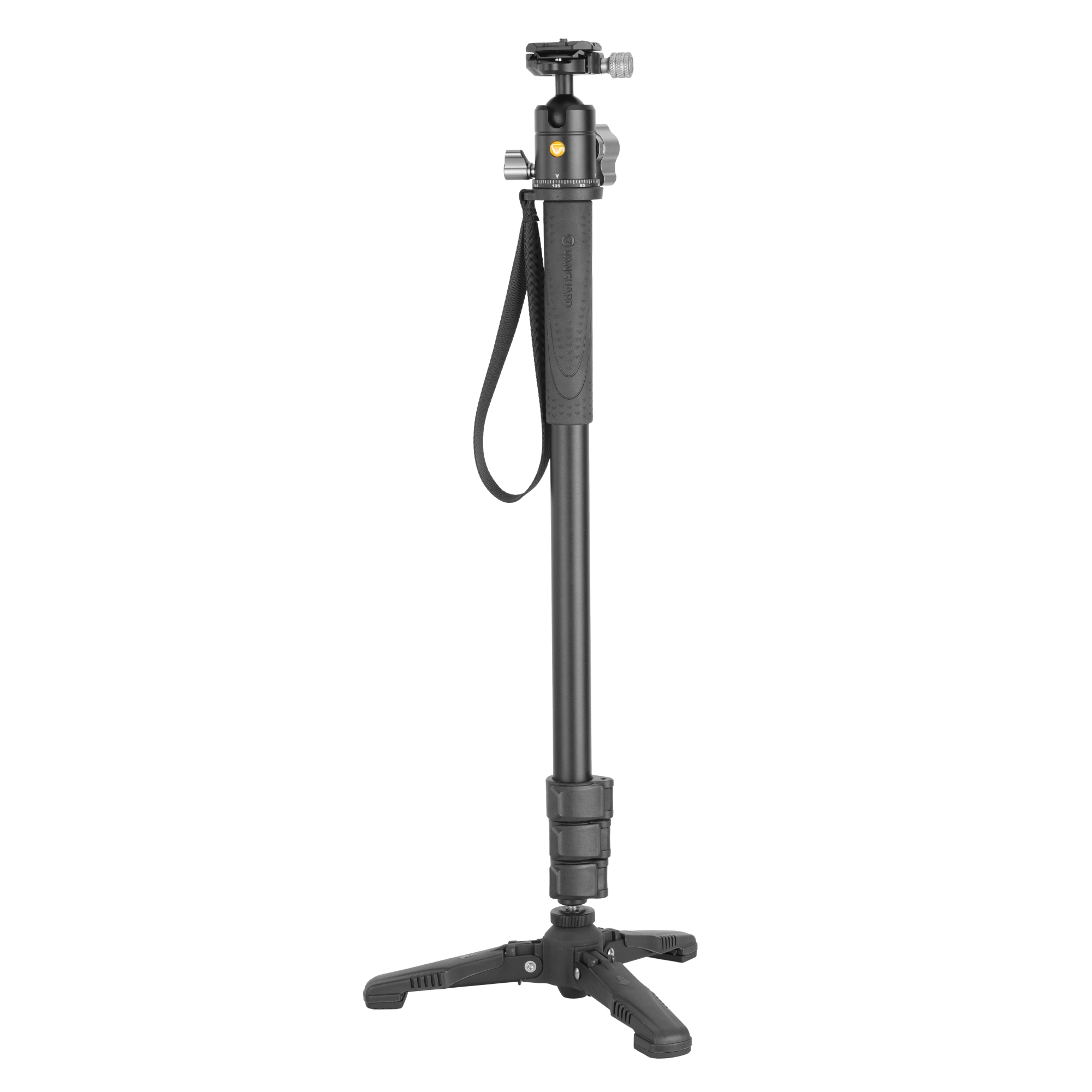
MONOPOD KITS
Buying a kit ensures that the right head or adaptor is attached, and normally includes savings compared to buying the items separately.
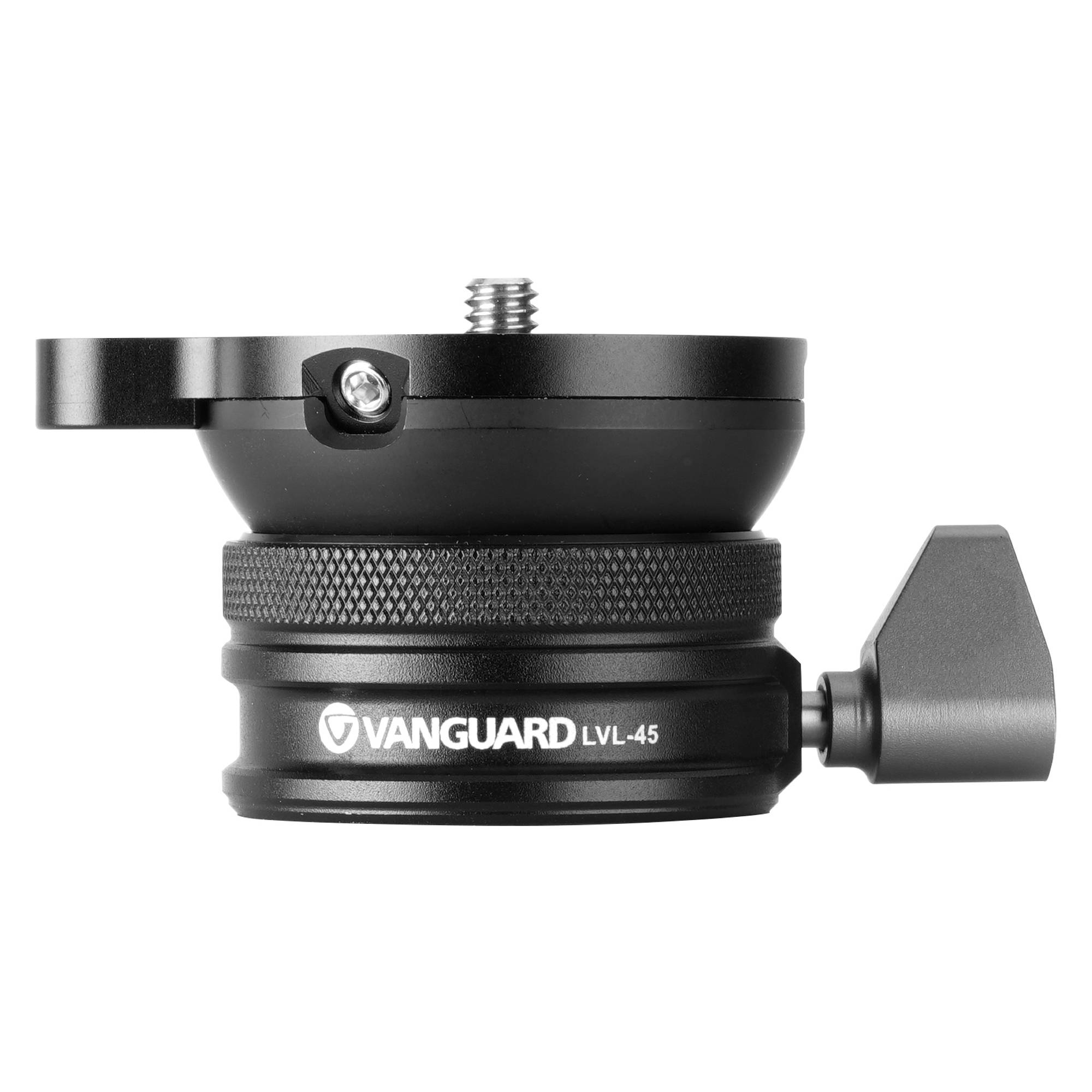
LEVELLING ADAPTORS
A levelling adaptor sits between your monopod and your camera and allows you to tilt and rotate your camera with ease.
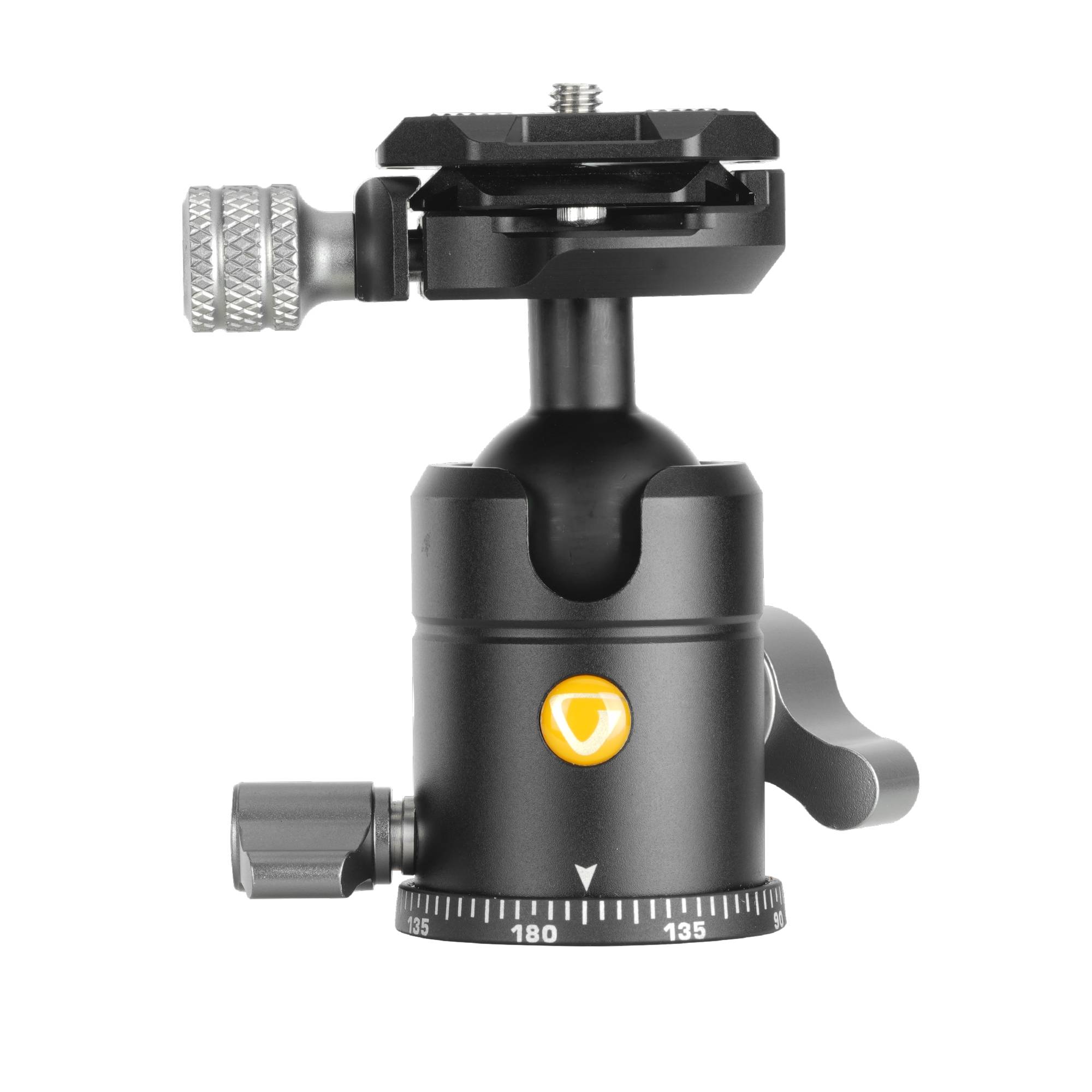
Basic HeadS
A ball head is familiar to most photographers and an Arca compatible model can use the quick release across all suitable supports.
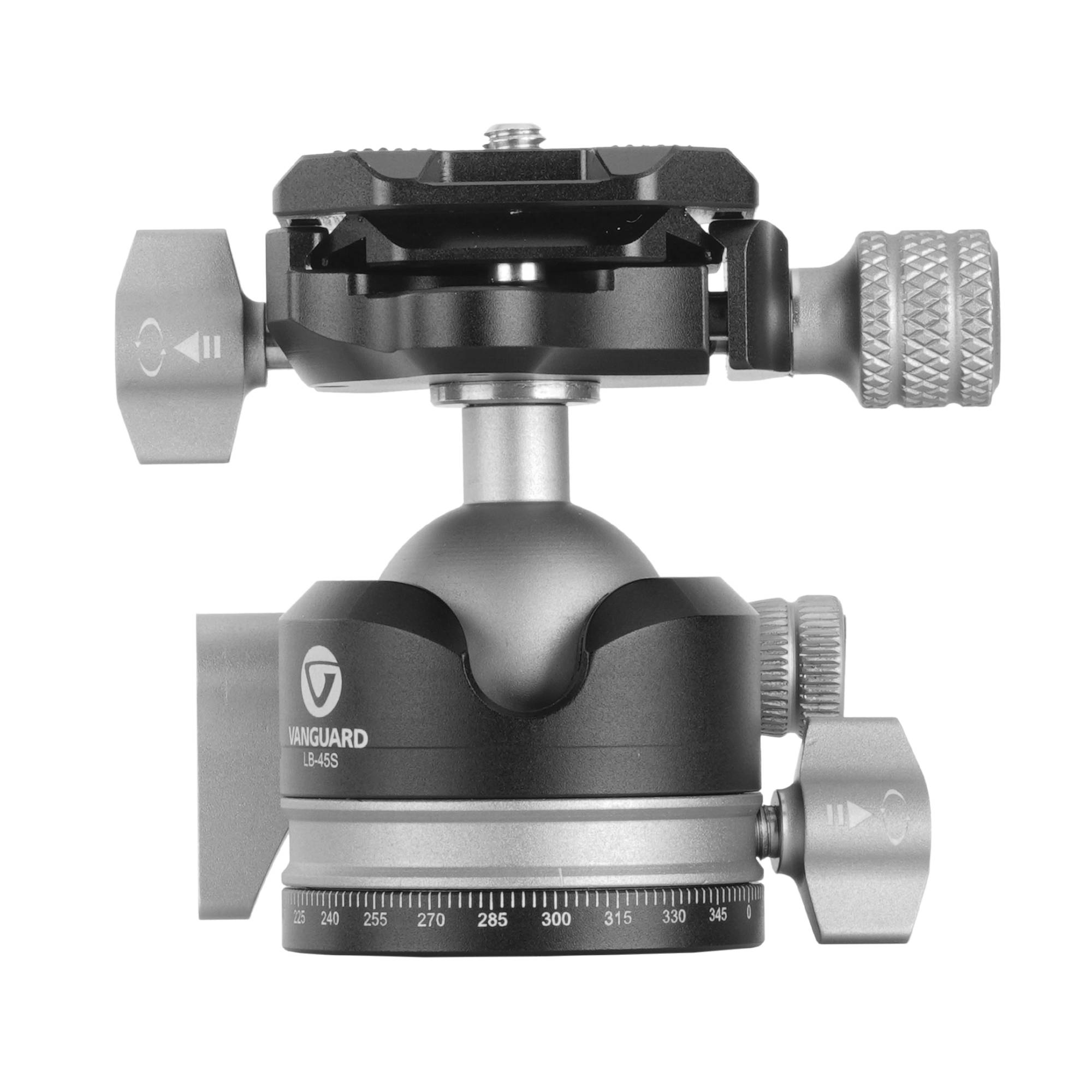
WITH FRICTION CONTROL
The movement on a ball head can be very quick and a friction control adds resistance to get to the ideal level of movement for your photoshoot.
MORE INFORMATION:
We regularly write and update blogs that may be of use. There are summarised below. Simply click on the button to go directly to the article.
FREQUENTLY ASKED QUESTIONS:
Here we try to address some of the common questions we get asked at shows. If you have a question that is missing, feel free to contact us at info@vanguardworld.co.uk
Do I need a head on my monopod?
No. Your camera will fit the 1/4" thread on the monopod, but adding a head or levelling adaptor can offer more control in framing your shot, especially when photographing fast moving subjects like motorsports. It's also a way of using a quick release system rather than screwing your camera or lens directly to the tripod.
What does Arca compatible mean and why is it important in a monopod head?
Historically, pretty much every tripod head from every brand had a dedicated quick release system with a dedicated quick release plate. In recent years, most brands are adopting an Arca compatible system as an unofficial industry standard. This allows you to use specialist plates from different brands and allows you to replace a lost or damaged quick release plate with ease, even if your tripod head is discontinued.
Will any Arca compatible plate from any brand fit any Arca compatible monopod?
While pretty much any Arca compatible plate will fit any Arca compatible head, there is no official industry standard and so there will be slight variations between quick release plates, so we would tend to recommend using the quick release plate officially linked to your head. The two most common issues are "width" and "safety pins". The clamping system will address most of the issues on width as it can cater for the differences, but this is why you do not see many quick release lever systems that are Arca compatible. The safety pins can be built into the base of the quick release plate, or into the tripod head clamp system with a spring pin system. If the pins on the base of the quick release plate are causing an issue, you can simply remove them. If the safety pin is built into the tripod head clamp system then most Arca compatible quick release plates will be fine. As long as there is a way of lower the spring pin manually on the head, as there is on any Vanguard Arca compatible head with this system, then the quick release plate won't get stuck. In either of the above cases, just take care to ensure the head is locked firmly before you release your camera as the safety mechanism built into the quick release plate will not be effective. If you are using a different brand's quick release plate, we would always recommend that you try in on the tripod head without the camera attached first to ensure it works.
What are better, lever locks or twist locks?
This tends to be a marmite style question with strong opinions on both sides, and ultimately it comes down to personal preferences. We often hear the same three objections to twist locks: they take too long to set up, if you unscrew them the leg will fall out and you can't see when the leg is closed. There is some truth in all of these, but often this is based on an individual's experience (actual or heard) from many years ago and simple techniques and modern designs get around each of these. The benefits of twist locks to us are less weight, a tight lock in the field without having to adjust any screws, and it's allowed us to develop an easy-clean twist lock system to maximise the life of your tripod.